Source High Initial Permeability Permalloy Wire for Electronics
Compare 30 listings of high initial permeability permalloy wire from Shanghai suppliers. Buyers can review specifications like resistivity, density, and hardness for applications in medical, industrial, and aviation sectors; compare the available evidence and request quotations based on your requirements.
Key considerations
Products List




Comprehensive Sourcing Guide
High Initial Permeability Permalloy Wire Sourcing Guide
Sourcing high initial permeability permalloy wire requires a disciplined approach to material verification and supplier qualification. These soft magnetic alloys, primarily composed of nickel and iron with specific additions like molybdenum or chromium, are engineered for applications demanding minimal energy loss and maximum magnetic flux density. Buyers must prioritize suppliers who can demonstrate consistent magnetic performance alongside precise mechanical properties, as variations in composition directly impact the core functionality of inductive components. The procurement process begins with a clear definition of the required permeability curve and saturation characteristics, ensuring the selected alloy matches the operational environment of the final product.
The market for these specialized wires is characterized by a wide range of specific grades, each tailored to distinct frequency and temperature requirements. Common designations such as 1J85, 1J77, and 1J50 represent different magnetic behaviors, necessitating careful selection based on the intended use case. Procurement teams should focus on verifying the supplier’s ability to provide consistent batch-to-batch quality, as magnetic properties are highly sensitive to thermal history and processing conditions. Establishing a robust technical dialogue with potential vendors early in the sourcing cycle helps align expectations regarding tolerances, surface finishes, and delivery schedules, reducing the risk of downstream manufacturing issues.
Product Scope and Observed Listing Signals
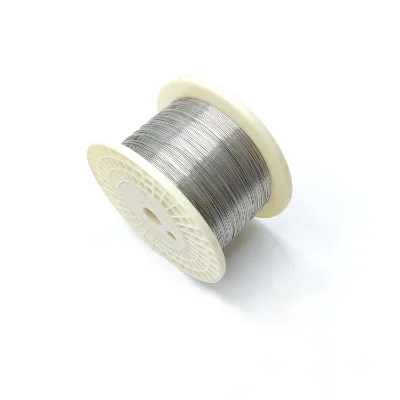
The observed product landscape includes a variety of nickel-based soft magnetic wires, with listings indicating models such as 1J85, 1J50, 1J77, and 1J90. These materials are often described with specific physical attributes, including silver-colored finishes achieved through polishing or bright surface treatments. Buyers should note that while some listings mention specific resistivity values like 0.55 or 0.62, these figures are observational and must be validated against the specific grade required for the application. The presence of customization options and OEM services suggests that suppliers are equipped to handle bespoke requirements, but buyers must clearly define their technical specifications to ensure compatibility.
Listing signals also reveal a diverse range of physical dimensions and packaging methods, with standard thicknesses observed around 0.7mm and other ranges extending from 0.1mm to 10mm. Packaging is typically specified as wooden cases, indicating a need for careful handling to prevent mechanical damage to the delicate wire. Some listings highlight features such as wear resistance and high permeability, which are critical for applications in electronics, aviation, and industrial sensors. However, buyers should treat these descriptive terms as general indicators rather than guaranteed performance metrics, requiring formal test reports to confirm that the supplied wire meets the precise magnetic and mechanical standards necessary for high-frequency inductive components.
Technical Specifications to Verify
Verifying the mechanical and magnetic properties of permalloy wire is essential for ensuring component reliability. Key parameters to confirm include hardness, which may range from 120 to 240 HV depending on the temper, and tensile strength, which can vary significantly between grades. Buyers must request detailed material test certificates that specify yield strength, elongation percentages, and density values, as these factors influence the wire’s formability and structural integrity during winding and assembly. The Curie point, typically observed between 330°C and 350°C for certain grades, is a critical thermal limit that defines the maximum operating temperature before the material loses its magnetic properties.
Magnetic performance is the primary differentiator for these alloys, requiring verification of initial permeability and magnetic induction levels. Suppliers should provide data on resistivity and coercivity, which determine the efficiency of the material in alternating current applications. It is crucial to confirm whether the wire is supplied in a soft or hard state, as this condition directly affects its magnetic behavior and ease of processing. Buyers should also inquire about the specific standard compliance, such as ASTM, DIN, GB, or JIS, to ensure that the material meets international quality benchmarks. Consistent verification of these technical specifications prevents unexpected failures in high-frequency inductive components and ensures optimal device performance.
Compliance and Safety Documentation
Compliance with international standards is a fundamental requirement for sourcing high-performance magnetic materials. Buyers should verify that suppliers adhere to recognized standards such as ASTM, DIN, GB, and JIS, which govern the chemical composition and mechanical testing of nickel-iron alloys. Documentation should include certificates of conformity that confirm the material meets the specified grade requirements, ensuring consistency across production batches. Additionally, suppliers may provide specific magnetic certificates detailing permeability and magnetic induction tests, which are vital for validating the material’s suitability for sensitive electronic and aviation applications.
Safety and environmental compliance are also critical considerations, particularly for applications in medical and consumer electronics. Buyers should request information on the material’s RoHS compliance and other relevant environmental certifications to ensure that the wire does not contain restricted substances. While specific certification statuses may vary by supplier, it is essential to establish a clear requirement for environmental documentation before placing orders. Furthermore, buyers should ensure that the supplier’s quality management systems are certified, providing an additional layer of assurance regarding the consistency and reliability of the supplied materials. Clear communication of these compliance requirements helps mitigate regulatory risks and ensures that the final products meet global market standards.
Cost Drivers and Commercial Terms
The cost of permalloy wire is influenced by several factors, including the nickel content, processing complexity, and order volume. Nickel is a volatile commodity, and its price fluctuations can significantly impact the final cost of the alloy. Buyers should anticipate a wide range of pricing, as observed in listings that span from low-cost options to premium grades with specialized properties. Minimum order quantities (MOQs) also vary, with some suppliers requiring larger volumes to justify production runs, while others may offer flexibility for smaller, customized orders. Understanding these cost drivers allows buyers to negotiate more effectively and plan their inventory management strategies accordingly.
Commercial terms such as payment methods, lead times, and shipping conditions play a crucial role in the overall procurement cost. Buyers should clarify whether prices are inclusive of packaging, such as wooden cases, and whether additional charges apply for customization or sample requests. Some suppliers offer free samples, which can be valuable for initial testing and validation, but buyers should confirm the terms for sample provision and any associated costs. It is also important to discuss lead times, especially for customized orders, to ensure that production schedules align with project deadlines. Clear agreement on these commercial terms helps avoid unexpected expenses and ensures a smooth transaction process.
Supplier Qualification and Quality Control
Qualifying suppliers for permalloy wire requires a thorough assessment of their technical capabilities and quality control processes. Buyers should evaluate the supplier’s experience in producing soft magnetic alloys and their ability to provide consistent magnetic properties across batches. Requesting references from previous clients in similar industries, such as electronics or aviation, can provide insight into the supplier’s reliability and performance. Additionally, buyers should inquire about the supplier’s testing procedures, including how they monitor resistivity, hardness, and magnetic permeability during production. A robust quality control system is essential for maintaining the high standards required for these specialized materials.
On-site audits or third-party inspections can further verify the supplier’s manufacturing capabilities and adherence to quality standards. Buyers should assess the supplier’s facility for proper handling and storage of materials, as contamination or improper storage can degrade the magnetic properties of the wire. It is also important to confirm the supplier’s ability to provide traceability for each batch, ensuring that any issues can be traced back to the production process. Establishing a strong partnership with a qualified supplier involves regular communication and feedback loops, allowing for continuous improvement and alignment of quality expectations. This proactive approach helps mitigate risks and ensures a steady supply of high-quality permalloy wire.
Long-Term Procurement Checks
Long-term procurement of permalloy wire requires ongoing monitoring of supplier performance and market dynamics. Buyers should establish key performance indicators (KPIs) to track delivery reliability, quality consistency, and responsiveness to technical queries. Regular reviews of these metrics help identify potential issues early and allow for corrective actions before they impact production. Additionally, buyers should stay informed about changes in raw material prices and supply chain conditions, as these factors can affect the availability and cost of nickel-based alloys. Maintaining a diversified supplier base can also mitigate risks associated with single-source dependencies and ensure continuity of supply.
Continuous improvement in the procurement process involves periodic re-evaluation of technical specifications and market alternatives. As technology evolves, new grades of permalloy wire may emerge with improved properties or lower costs, requiring buyers to reassess their material choices. Engaging with suppliers for collaborative development can also lead to customized solutions that better meet specific application needs. Furthermore, buyers should maintain open communication with internal engineering teams to ensure that procurement decisions align with product design requirements. By adopting a strategic and proactive approach to long-term procurement, buyers can secure a reliable supply of high-quality permalloy wire while optimizing costs and performance.
FAQs
What grades of high initial permeability permalloy wire are typically offered?
Listings typically include grades such as 1J85, 1J79, 1J77, 1J50, and permalloy 80. These nickel alloys are supplied as wire for high frequency inductive components. Exact grade availability varies by listing, so buyers should confirm the specific model, wire diameter such as 0.7mm or 1.2mm, and applicable standards like ASTM, DIN, GB, or JIS before ordering.
Which mechanical properties should buyers verify before ordering permalloy wire?
Buyers should verify hardness, tensile strength, yield strength, and elongation against their application. Listed ranges for these nickel alloys include hardness of roughly 120 to 240 Hv, elongation from 2 to 40 percent, and yield strength from 150 to 980 MPa depending on grade and condition. Confirm values in soft or hard state for the specific grade you require.
How is magnetic performance certified for permalloy wire shipments?
Listings state that magnetic certification covering permeability and magnetic induction is available. When requesting a quotation, ask the supplier to include magnetic test reports with the shipment so measured permeability and induction values match your design requirements. Standards such as ASTM, DIN, and GB are referenced for the material, so specify which standard your testing must follow.
Can high initial permeability permalloy wire be customized to specific diameters?
Yes, customization is available, and listed wire sizes range from about 0.1mm to 10mm, with specific listings at 0.7mm and 1.2mm. Provide the required diameter, tolerance, state such as soft or hard condition, and surface finish like bright polished. Smaller trial quantities are possible, as listed MOQs start from one unit, so confirm feasibility with the supplier first.
What surface condition and packaging are used for permalloy wire?
The wire is typically supplied with a polished, bright silver surface, and condition may be soft or hard depending on your request. Packaging is a wooden case, which protects coils or spools during export transport. If your application needs particular spooling, wrapping, or labeling, raise these packing details with the supplier when requesting a quotation.
Where is this permalloy wire produced and which industries use it?
Listed origin is Shanghai, with material type classified as nickel wire rather than powder. Applications span electronics, industrial equipment, medical devices, aviation, and chemical processing. These soft magnetic nickel alloys, including 1J85 and related grades, are mainly used for high frequency inductive components such as transformer cores, magnetic shielding, and precision sensing elements.